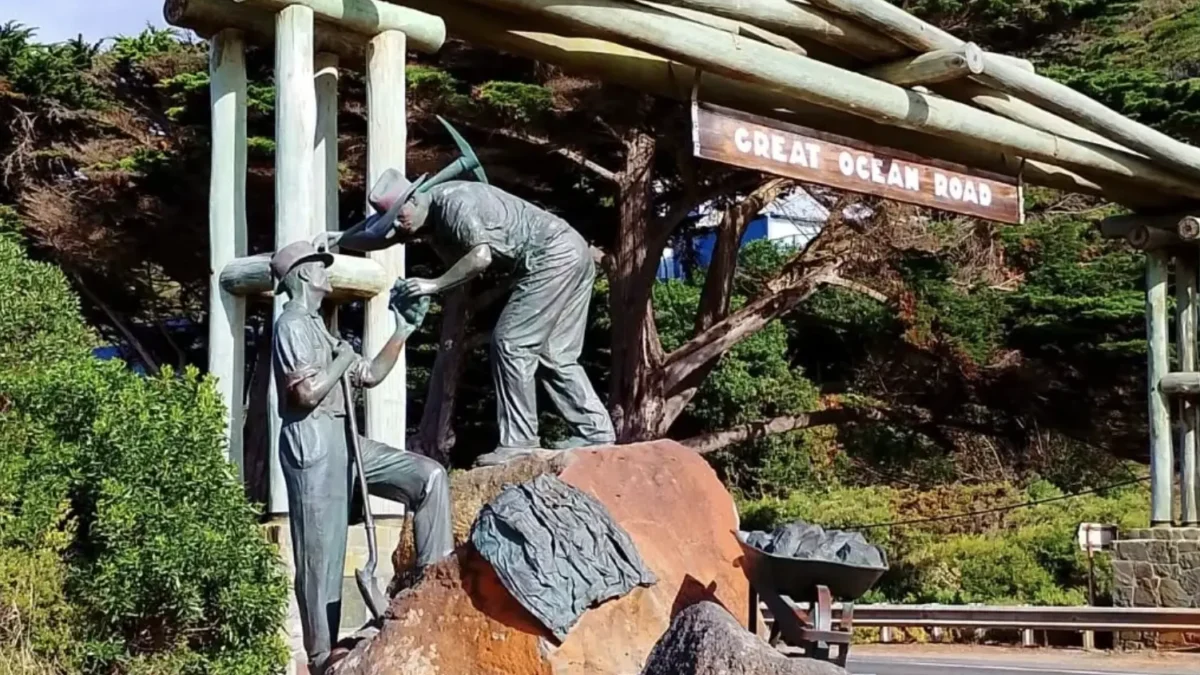

Why is Great Ocean Road a War Memorial?
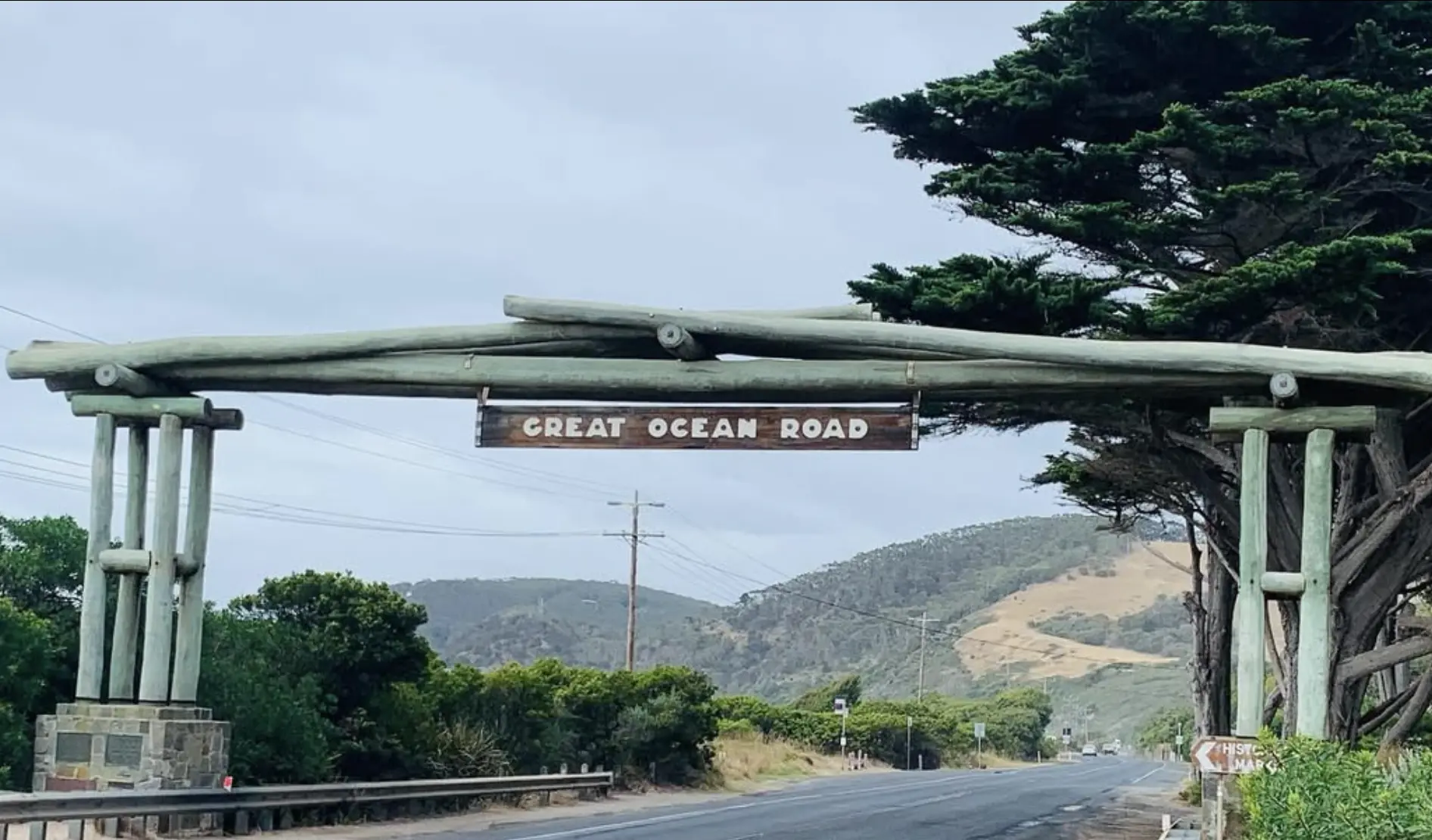
The Great Ocean Road is one of Australia’s most famous drives, stretching 243km along the Victorian southeastern coast. While it’s known for its stunning ocean views, rugged cliffs and natural wonders like the Twelve Apostles, many people don’t know the Great Ocean Road is also the world’s largest war memorial. Built as a tribute to the soldiers who fought and died in World War I, this route is steeped in history. This 243km road is also home to notable landmarks like Memorial Arch, Cape Otway and Cape Patton, with amazing coastline views. A Great Ocean Road trip means you can visit these landmarks and see the coastline.
Contents
The History of the Great Ocean Road
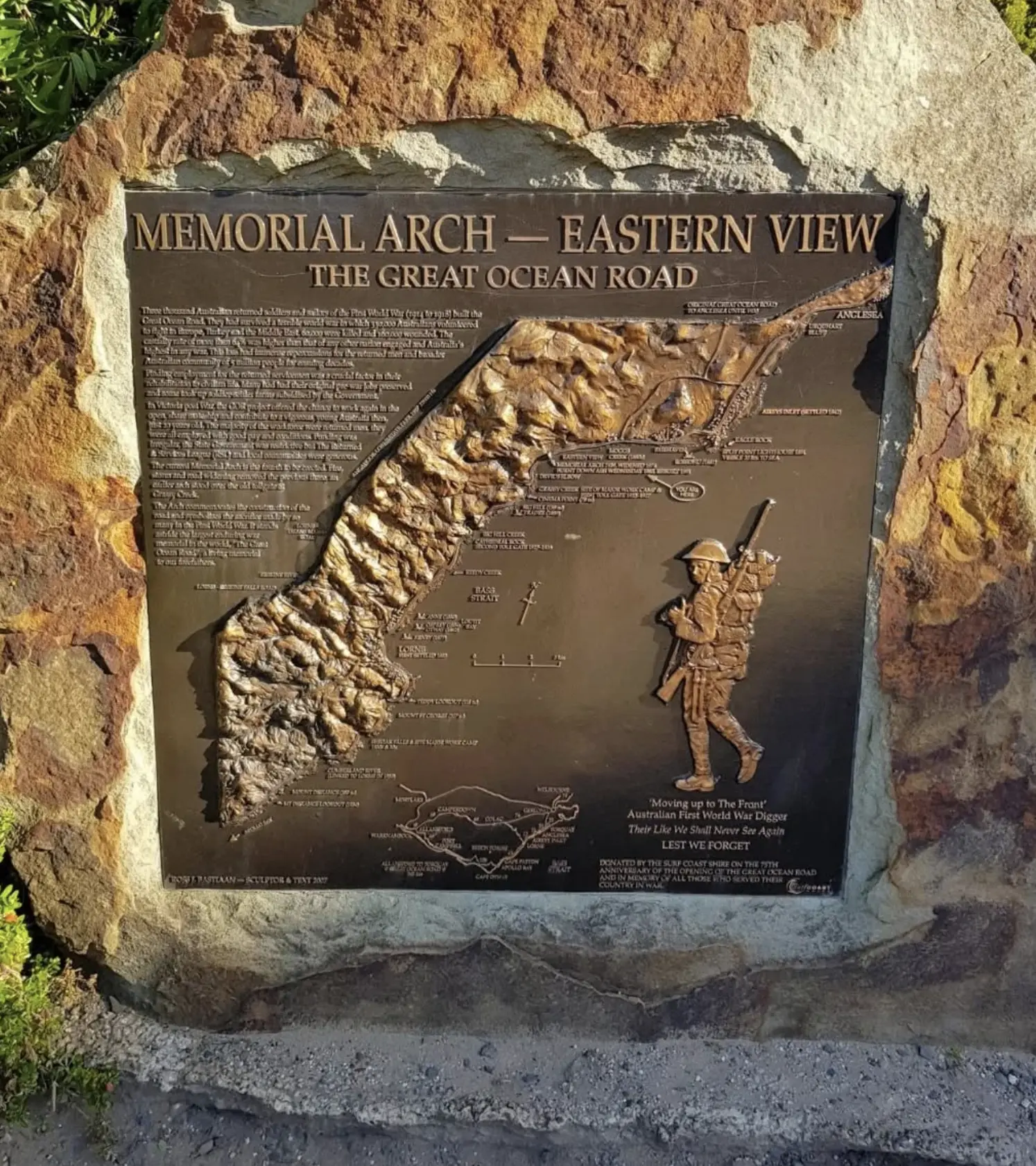
After World War I in 1918, thousands of Australian soldiers returned home, many of whom struggled to find work. To address the job shortage and to honour the fallen soldiers, the idea of building a coastal road along Victoria’s rugged coast was born. The project would provide jobs for the returned servicemen and be a lasting tribute to those who died in the war. The idea was supported by William Calder and Victoria’s Lieutenant-Governor Sir William Irvine.
Construction and Dedication
Construction of the Great Ocean Road began in 1919 with over 3,000 returned soldiers working in difficult and dangerous conditions – heavy rain, dense bush, and cliffs. The work was hard labour, involving manual excavation of the rocky terrain with only picks, shovels and dynamite. Anecdotal evidence suggests barrels of beer were sometimes used to boost morale among the workers. The road was opened in stages and was fully completed in 1932 and dedicated as a war memorial to honour the service and sacrifice of Australian soldiers in World War I. Construction camps like the one near Anderson Creek housed workers who endured harsh weather and isolation. Today many people take Great Ocean Road Melbourne tours to follow in the footsteps of the workers who built this road.

Symbolism and Legacy
Unlike traditional war memorials, the Great Ocean Road is a living memorial you can experience for yourself. The road is resilience, sacrifice and unity – the same qualities of the Australian soldiers who built it. Today it’s a reminder of Australia’s war history and the spirit of those who served. Landmarks like Cathedral Rock, Aireys Inlet and Mount Defiance offer stunning views that cement the road’s status as an Australian National Heritage listed landmark. The Great Otway National Park along the way adds to the journey with its lush rainforests and wildlife.
The road has become one of the most scenic drives in the world with millions of visitors each year. The challenging drive along cliffs and coastal mountains is thrilling yet comfortable in air conditioned cars. The scenic drive allows you to take in the ocean views while thinking about the sacrifices of the Aussie soldiers who built this engineering feat. Many tourists opt for 12 Apostles Tours or a 12 Apostles day tour to see the grandeur of the famous limestone stacks that are a testament to nature and time.
Conclusion
The Great Ocean Road is more than just a beautiful drive; it’s a historic landmark that honours the bravery and sacrifice of Australian soldiers. As the world’s largest war memorial and a utilitarian memorial, it continues to be a place of reflection and remembrance for locals and visitors. Whether you visit for the views or the history, the Great Ocean Road is a reminder of Australia’s wartime past. Its history is preserved by organisations like the Lorne Historical Society so future generations can understand the sacrifices made in its construction.

FAQ
Why was the Great Ocean Road built?
The Great Ocean Road was built to give employment to returning World War I soldiers and to be a permanent war memorial to those who died in the war.
How long is the Great Ocean Road?
The Great Ocean Road is 243km long along the southeastern coast of Victoria with coastal and inland views.
What are the must see attractions along the Great Ocean Road?
Twelve Apostles, Memorial Arch, Great Otway National Park, Cape Otway, Cape Patton, Cathedral Rock and Aireys Inlet.
How can I experience the Great Ocean Road?
You can drive it yourself, take a guided tour (Great Ocean Road Melbourne tours) or a 12 Apostles Tour which focuses on the region’s landscapes.
When should I visit the Great Ocean Road?
Best time to visit is September to February when the weather is mild and perfect for driving and outdoor activities.
